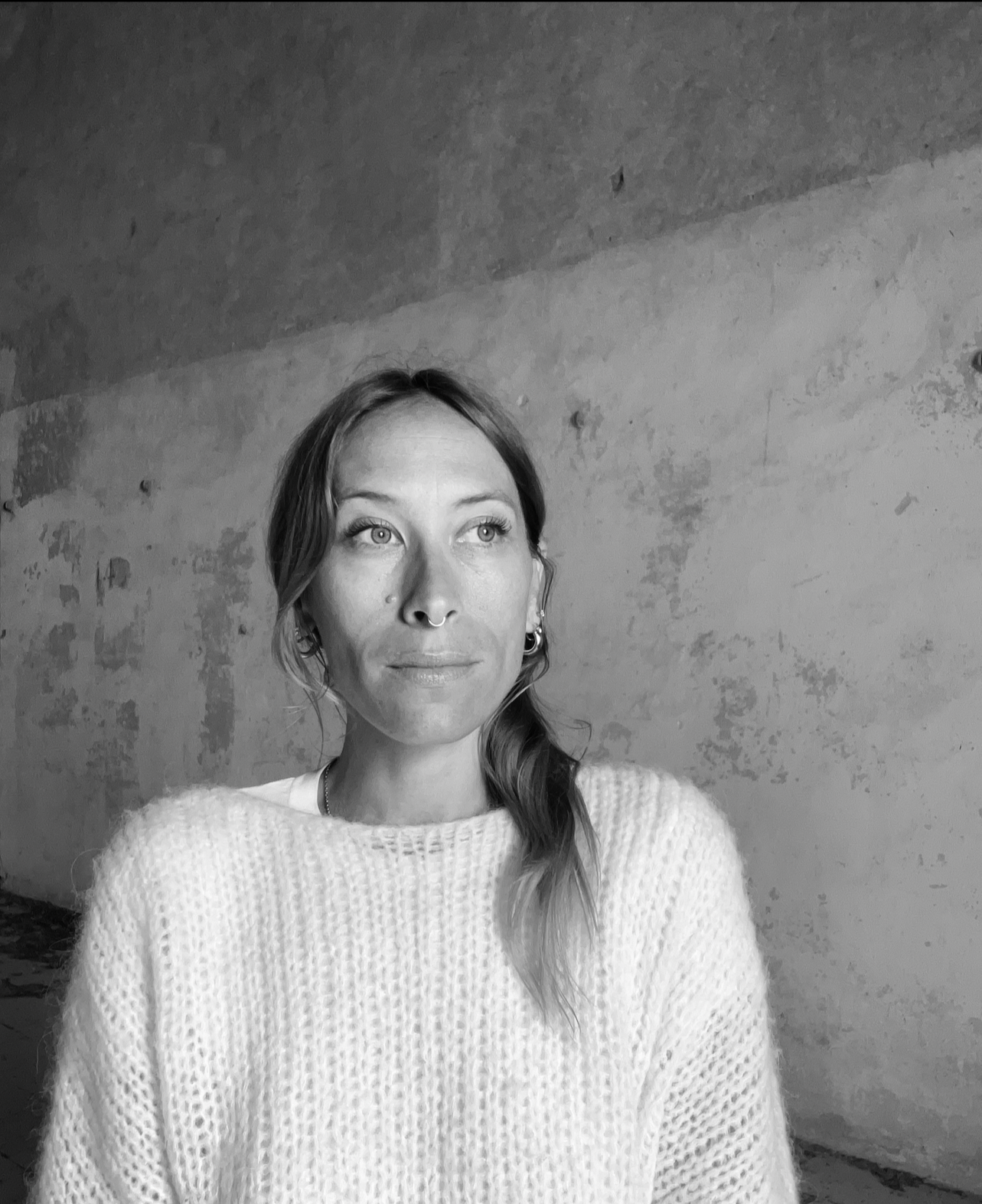
I’m Rosalie.
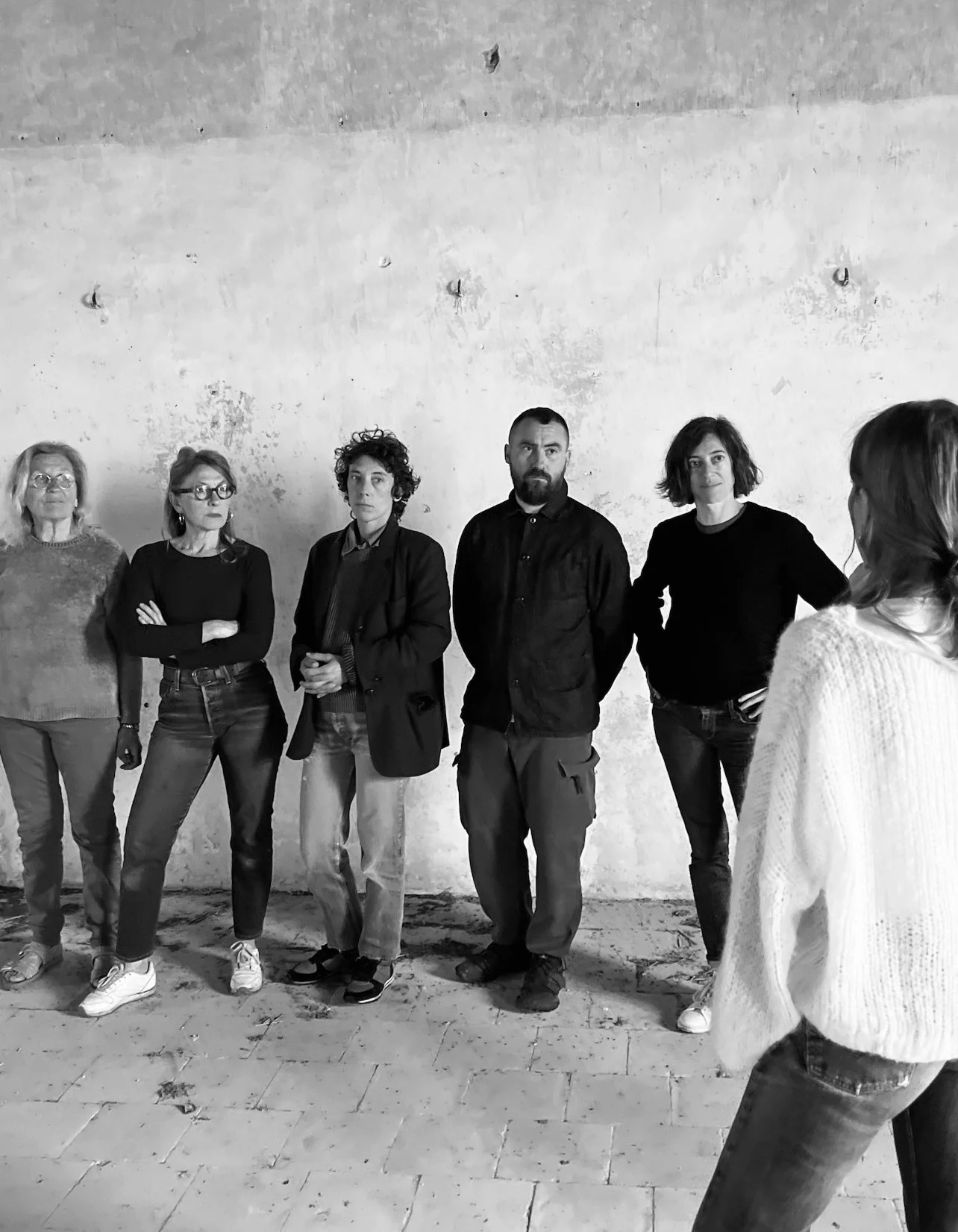
Something in you has shifted.
You don’t quite recognize yourself anymore. You’re looking for words for something that refuses language.
If I know these moments, it’s because I lived through my own identity rupture. I’m a somatic therapist, and that’s where I work from.
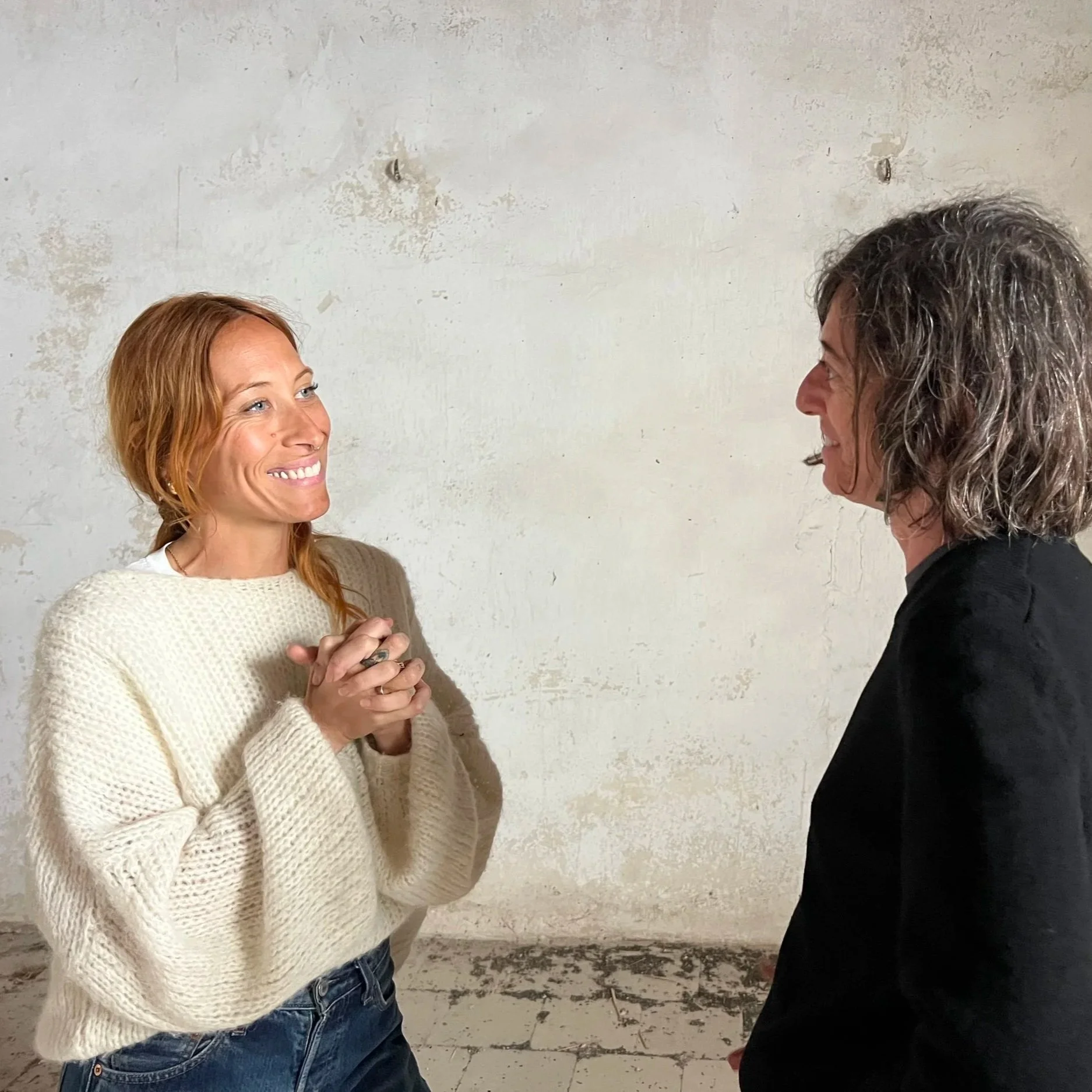
I don’t work from a script. I don’t have a fixed protocol. I start with what’s happening in your body — the sensations, the tension, the places that tighten when you talk about what you’re going through. My work draws on IFS (parts work), somatic approaches, mindfulness and breathwork — to reach the root, where words alone aren’t enough.
My approach
My story
As a teenager, I started to feel in my body what I was living at home — an alcoholic father. It no longer stayed in my head: it settled in my stomach, in my tension, in aches I didn’t yet have words for. I felt alone, with this thirst for belonging — the need to have a place somewhere, to be seen and heard. I think that’s what led me, very early, to cinema.
For about fifteen years, between France and California, I was an actor, then a screenwriter, then a producer. Always the same intention underneath: to tell stories so that the people receiving them would feel a little less alone. Over time, what I wrote grew sharper — identity, trauma and grief kept coming back.
Then I reached what I thought was the summit: a new life in Venice Beach, a marriage, a dream come true. And that is exactly where I felt most lost. I had to grieve the woman I had been — the woman I was in France, straight, shaped by a frame I had never questioned — so that the one I was becoming could come into being. Because a meeting had turned everything over: after loving men, I loved a woman, and I discovered how little love has to do with gender.
When my father died, something opened. I was able to set that career down and ask myself who I was outside of it. I understood something simple: rather than hoping that someone would one day see one of my films and recognize themselves in it, I could be right there, face to face, alongside the people who feel alone and need to be heard. The same intention — more direct. I went back to school for four years of psychology, through to my degree, and I have never felt so much in the right place.
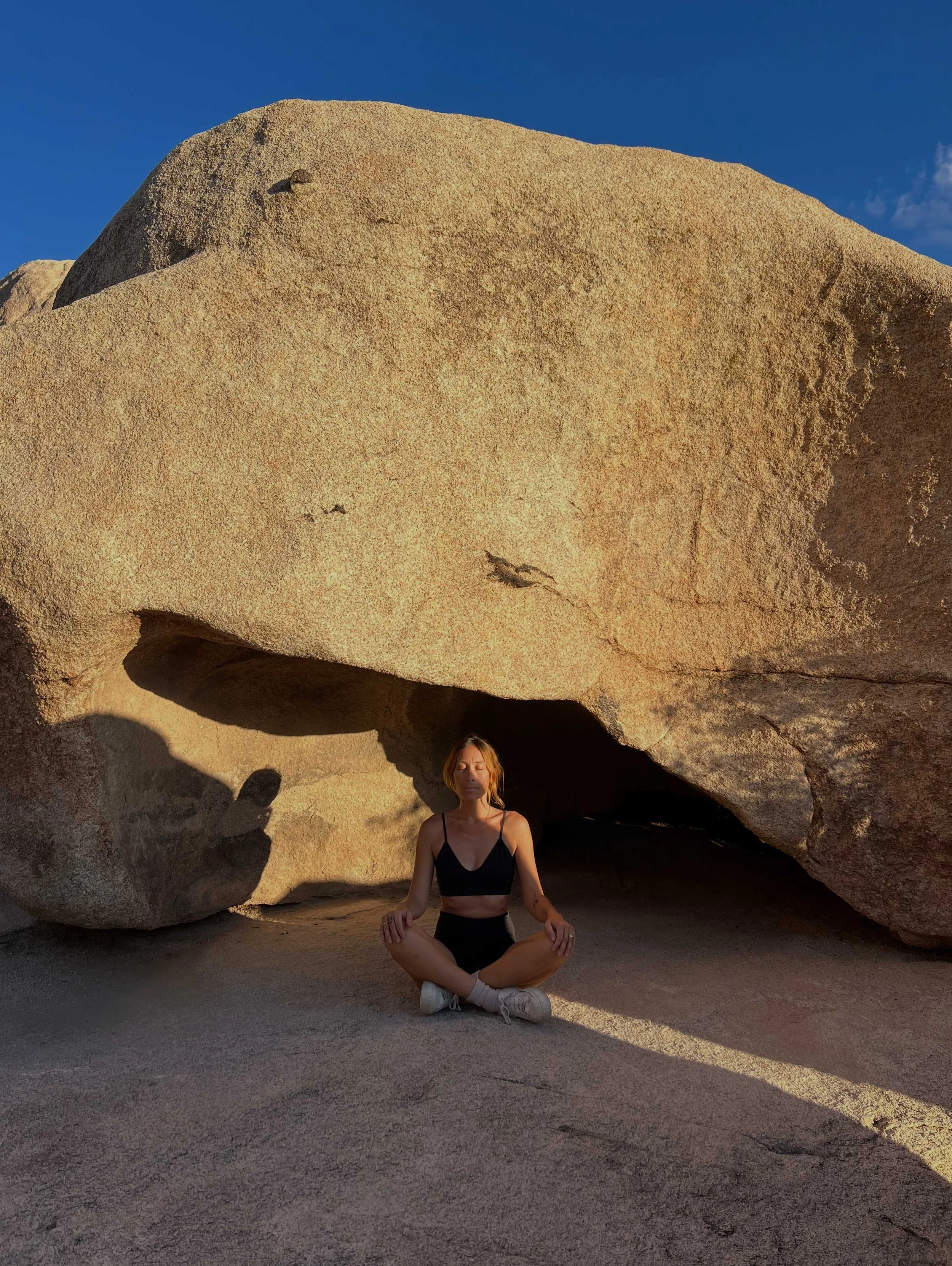
I trained in the approaches that, for me, change everything: somatic work and nervous system regulation — nourished by my yoga and meditation practice, which I also teach — trauma-informed mindfulness, and above all parts work, inspired by the IFS model, Internal Family Systems. It all rests on one idea of rare accuracy: that we don’t get better by forcing our pain into silence, or by trying to dissociate from the wounded parts of us, those versions of ourselves, or make them disappear — but by finally giving them room to exist, to be understood, to be welcomed, to be loved where love was missing.
That is also what fed my research dissertation on care in groups: it confirmed for me how badly we lack safe spaces where we can go through things together, that grief is an integral part of identity, and that being accompanied through that passage in community helps us welcome and accept who we are becoming, who we have been, and who we are in the present moment.
What’s specific to my work
Bicultural and bilingual, French-American, I work in both French and English, with an intimate understanding of what it means to live between two cultures, two languages, two “homes” — and of what it takes to rebuild yourself far from your landmarks.
My work speaks in particular to people moving through an identity transition — of gender, of orientation, of culture, of life. I offer affirming support for women and LGBTQIA+ people: a space where your identity is never something to explain or justify, only something to welcome.
I welcome each person in the full complexity of what they carry — because our identities cross and overlap. That intersectional approach is the ground my work stands on.
How I work
I don’t believe we get better alone, with words alone. We find our way back by listening differently: by coming back into the body, by setting down what weighs, by being met without judgment.
Grief, a transition, a change of identity — these don’t get “fixed”. They get lived through. And they’re lived through better with someone alongside you. That’s all I offer: safe spaces to be met, one to one or in a group, for the people living through these passages.
Today
I live in Provence, back after about ten years in California. I work in French and in English, in person and online. And I keep training, because this kind of care never stops teaching you.
Trained in integrative psychology (Bachelor’s, National University — recognized as a licence by ENIC-NARIC), in trauma-informed mindfulness, in yoga (200h), and as a psychopractitioner (CRESP).
If something in these words resonates with you, we can talk about it.